MENU
A conversation with Winny Sanchita, Accelerator Manager, on three years of Founders at the University of Cambridge.
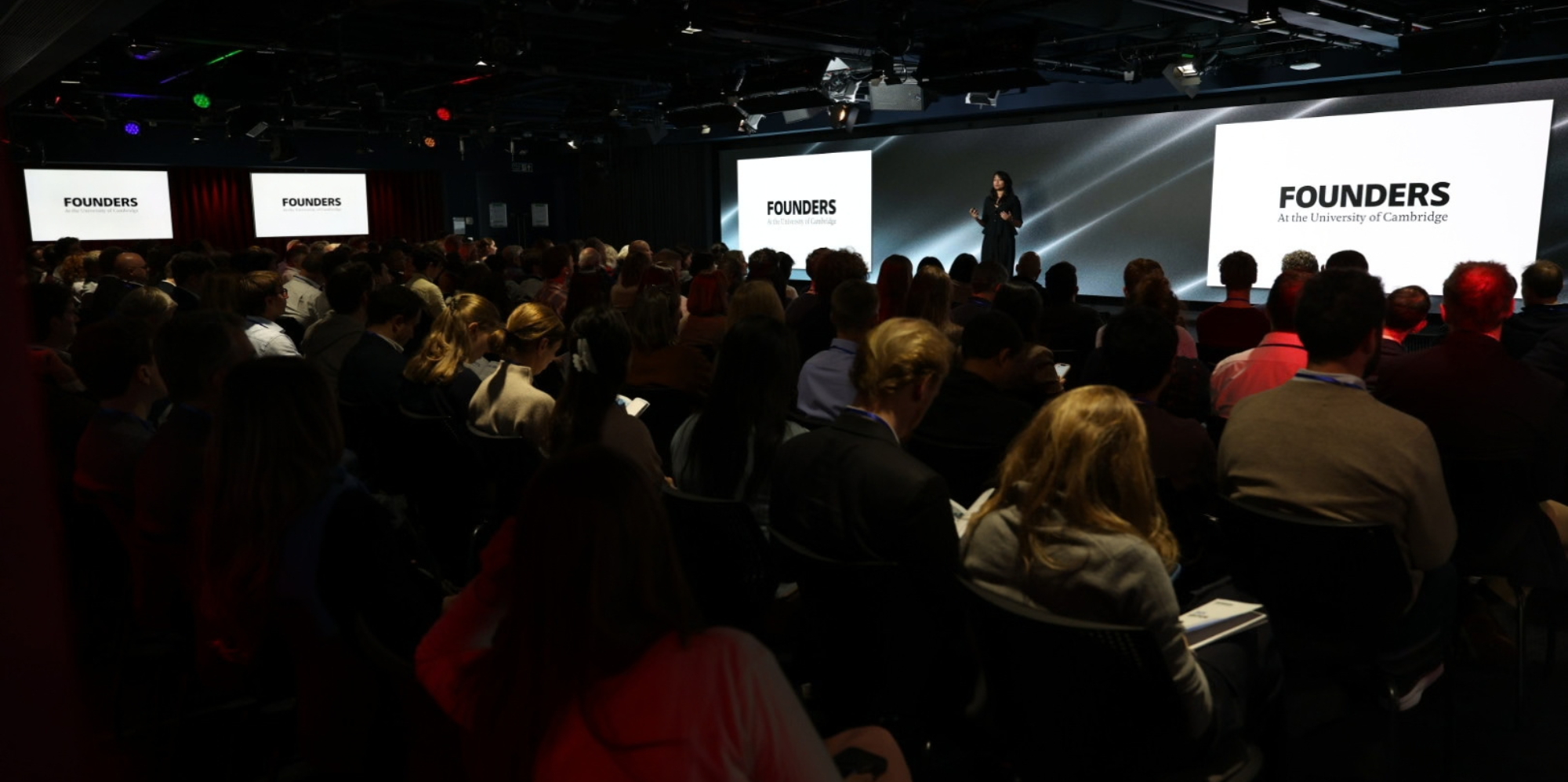
When Winny Sanchita joined Founders at the University of Cambridge in 2023, there were no programmes, no cohorts and no previous playbook to follow. Three years later, the initiative has grown into a global community of over 300 entrepreneurs, operators, investors and mentors supporting early-stage ventures connected to the University. Along the way, companies graduating from START have secured more than £24 million ($32 million) in follow-on funding since completing the programme.
As START 3.0 reaches its final Investor Day, we sat down with Winny to reflect on the journey so far, the lessons learned and what building Founders at the University of Cambridge has taught us along the way.
Thinking back to the early days, she remembers the energy more than anything else. “We didn’t have a programme. It was literally an idea on a piece of paper,” she says.
Joining as an intern in November 2023, she became part of the small team tasked with turning that idea into reality. There was no established model to follow, only a shared belief that Cambridge had an opportunity to do more for aspiring founders.
“The vibe was very much startup energy. We were building something from scratch and trying to make it work in a really short period of time. I still remember the excitement when the first programme application came in.”
The experience was also unexpectedly personal. “I was only supposed to be here for six months. I thought I’d help get this off the ground and then move on. But I was having so much fun that I stayed.”
Three years later, the programmes, community and companies look very different. But the feeling of building something new has never really disappeared.
Like many students and researchers in Cambridge, Winny’s first experience of entrepreneurship came through University programmes and events during her time as a student. There was no shortage of opportunities to learn. What she felt was missing was dedicated support for execution.
“Cambridge has never lacked entrepreneurial education. What it lacked was a structured bridge between discovery and execution. The challenge wasn’t teaching founders what a startup is. It was helping them become one.
At the same time, there was a gap in access to broader perspectives. We wanted to bring in mentors, operators, investors and founders from outside Cambridge and the UK who had built companies at scale and could share what they’d learned.”
But perhaps the biggest opportunity sat somewhere between those two things: community.
“Over the last three years, one lesson has become clear: founder ecosystems are not built by programmes alone. They are built by relationships. Programmes create moments of interaction, but communities create compounding value. Today, we bring together the right people with the right experience and create an environment where those relationships can grow.”
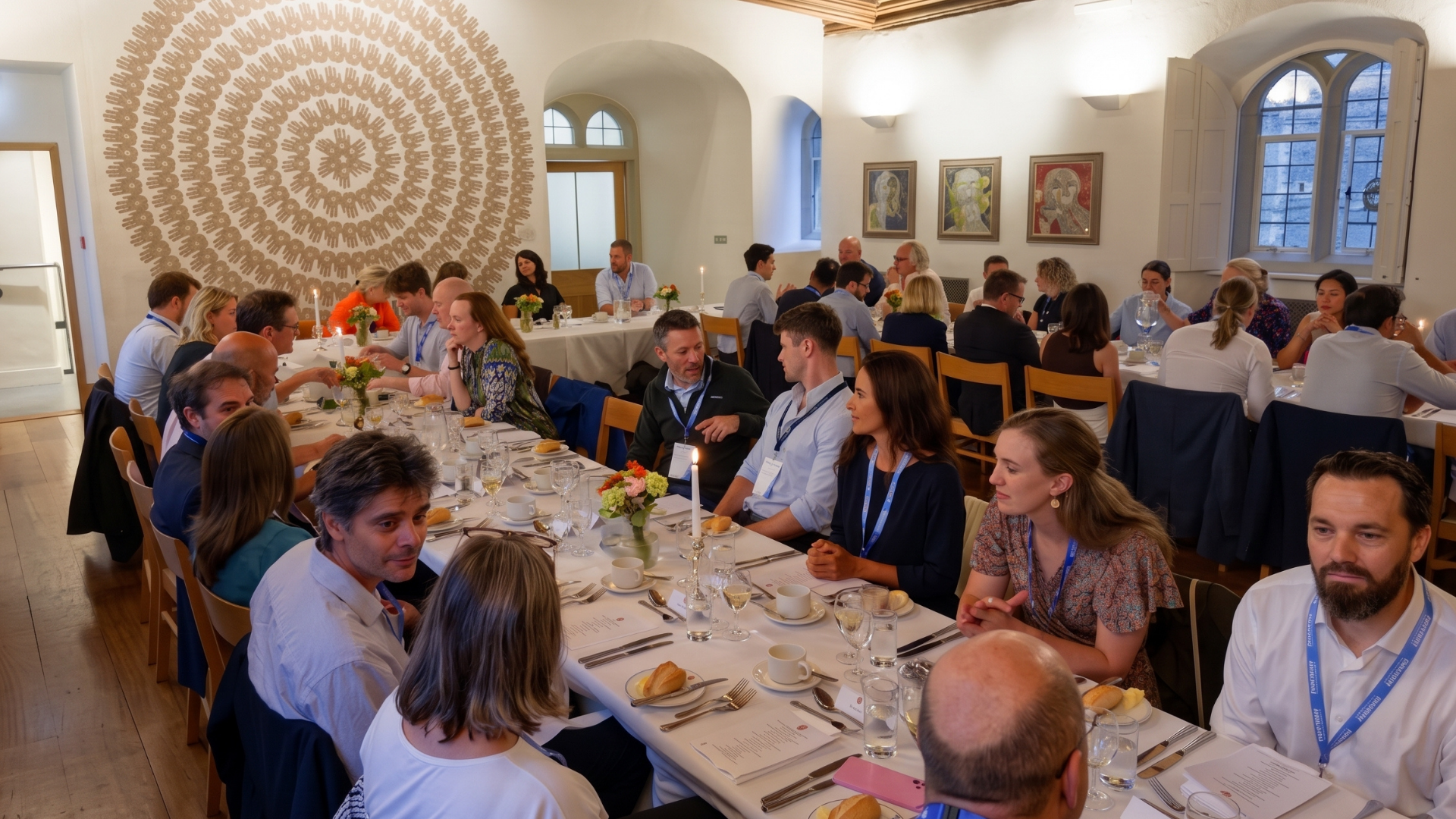
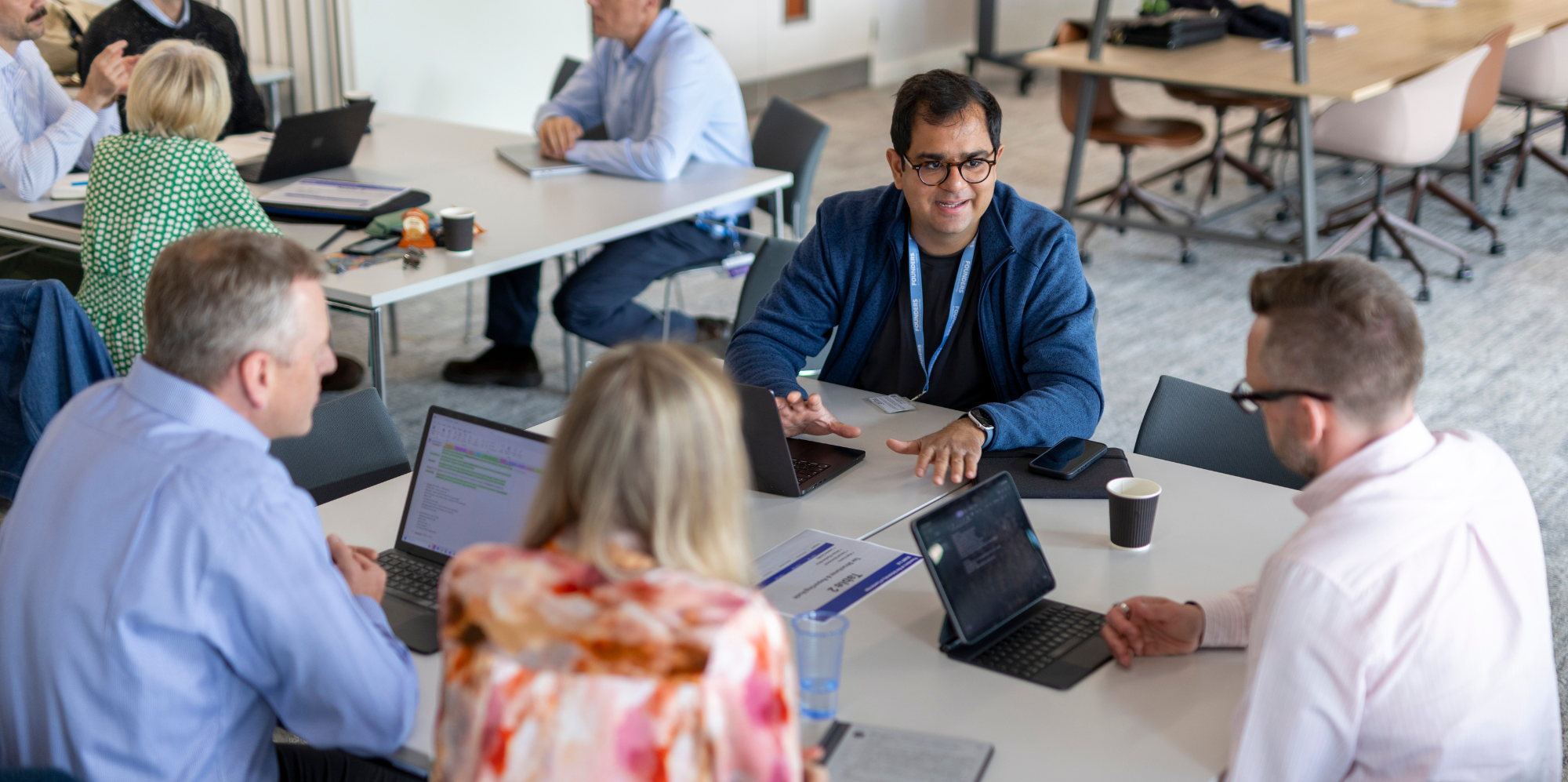
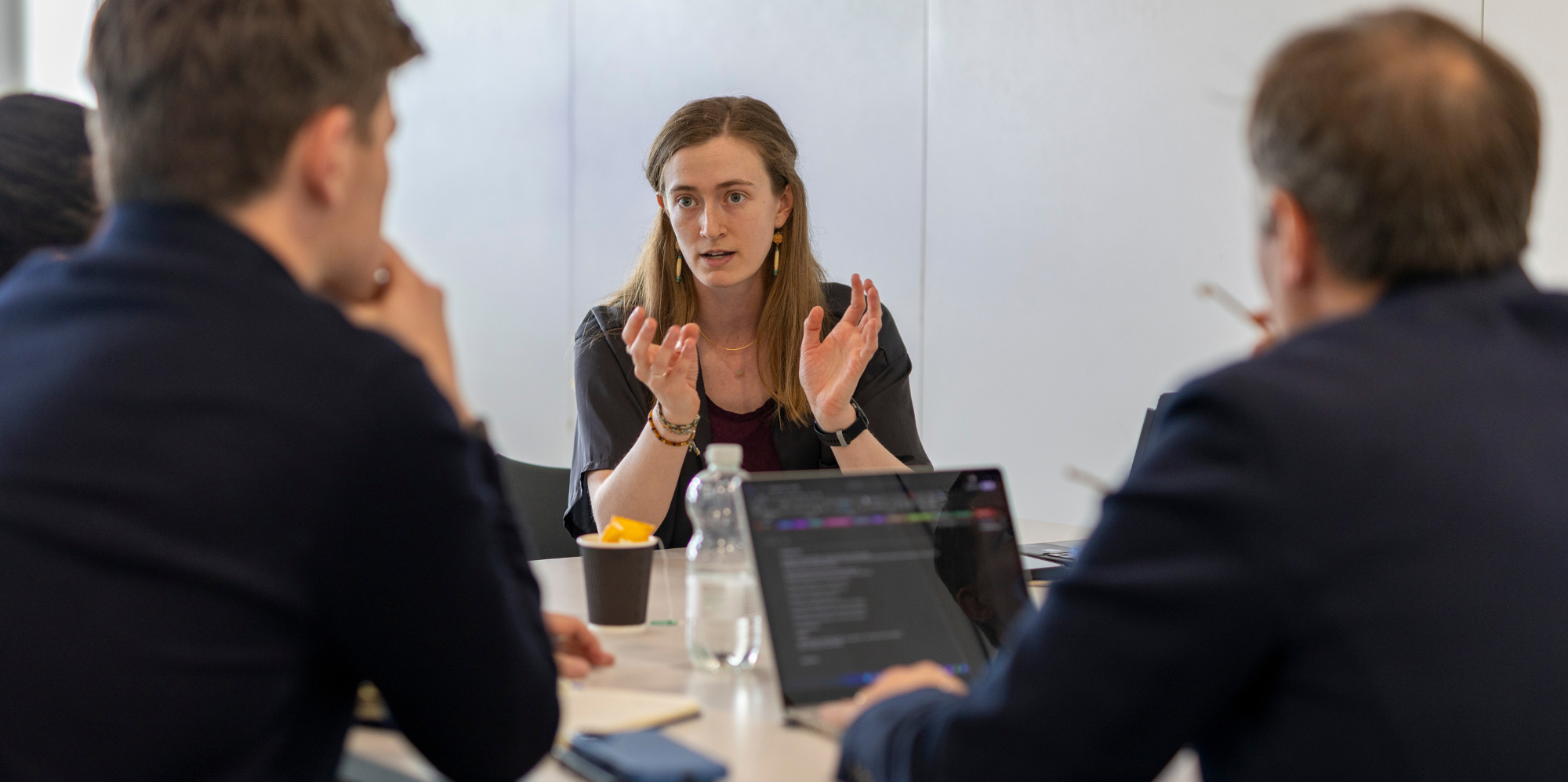
Portfolio companies have secured more than £24 million ($32 million) in follow-on funding and built relationships with investors, customers and partners around the world. But none of those were the first things Winny mentioned.
“The thing that surprised me most wasn’t actually the practical outcomes. It was the emotional impact.”
She points to the relationships that form within cohorts, the willingness of founders to support one another and the sense of belonging that emerges over months of working closely together as a team.
“The bonds people form are real. They become genuine friends. In a world where information is abundant and increasingly commoditised by AI, trust and community are becoming more valuable to founders. The strongest asset we have built isn’t the curriculum. It’s the connection.”
One moment in particular has stayed with her. “A founder told us that he couldn’t wait until he made his first million so he could come back and give back to START and the University. That really stuck with me because it showed this wasn’t just a programme he participated in. He intrinsically wanted to become part of the cycle and help the next generation.”
For Winny, that’s when you start to realise you’re building more than companies.
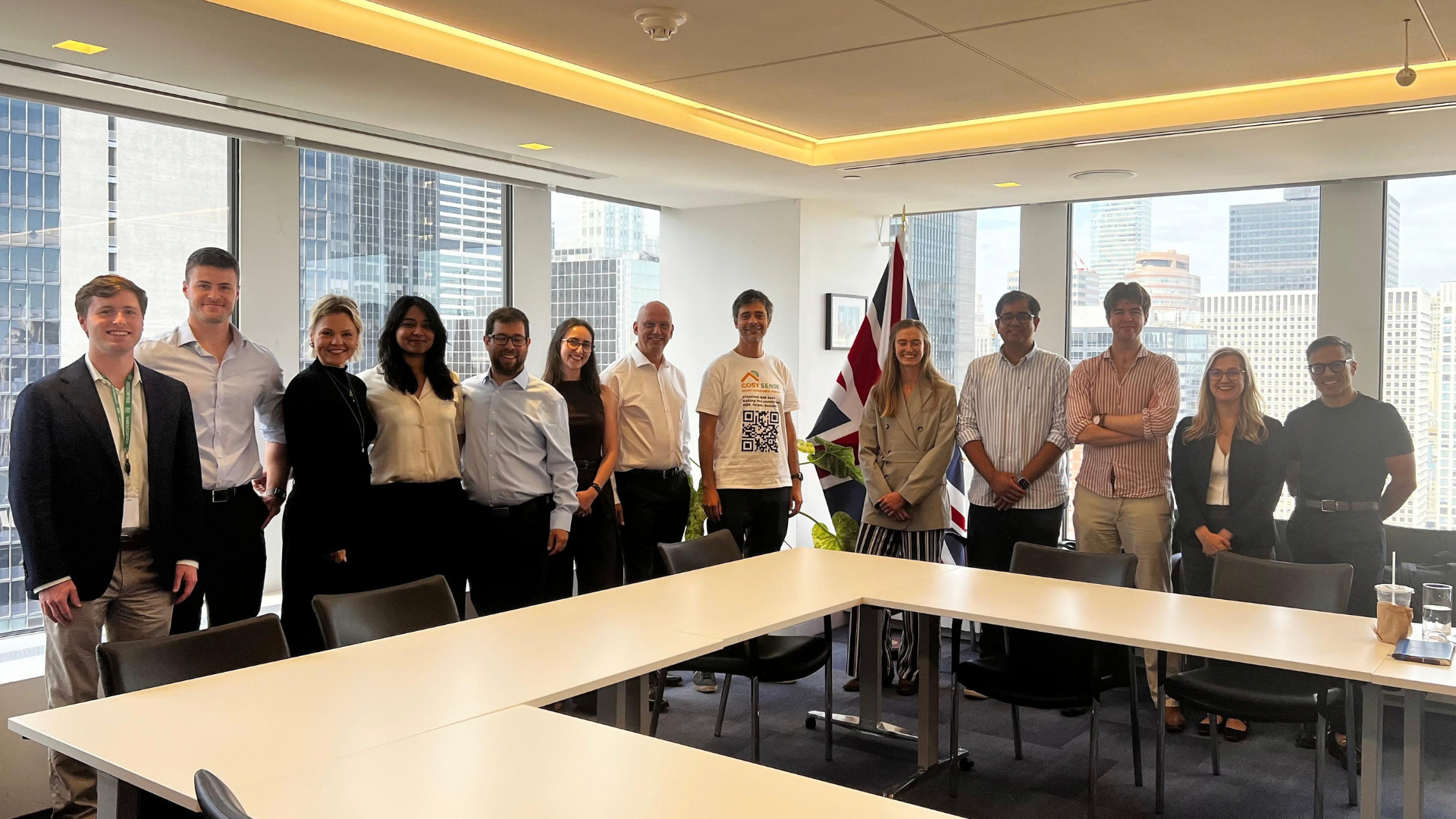
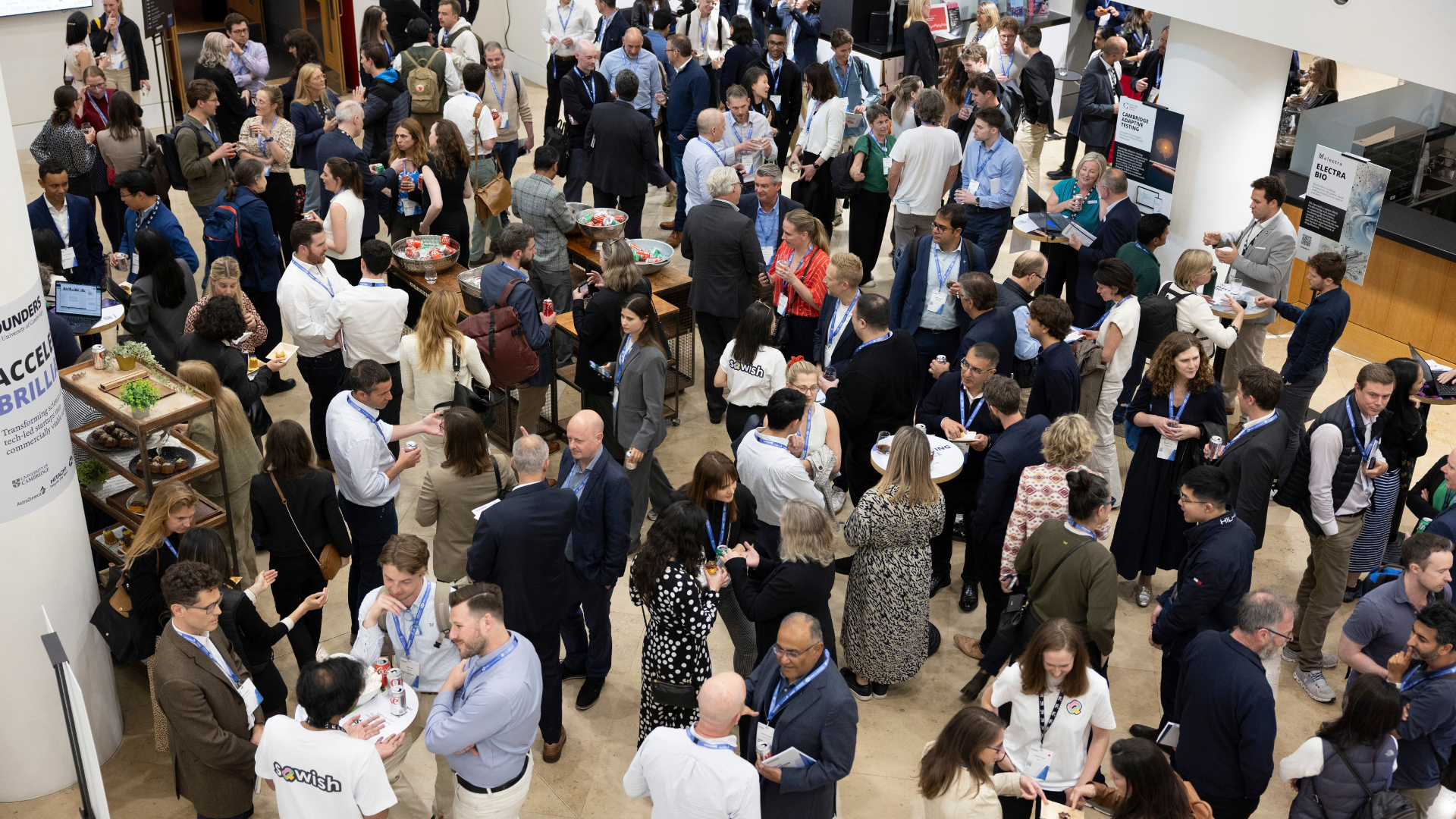
This year, the START 3.0 cohort travelled to New York and San Francisco for the first US Investor Days before returning for their final Investor Day in London.
“This wasn’t about encouraging companies to leave Cambridge. It was about helping the deep research and technology coming out of Cambridge reach beyond the UK while continuing to build bigger from here.”
When asked what excites her most about the future, Winny talks less about programmes and more about potential. “Cambridge doesn’t have a talent problem. It doesn’t have a technology problem.”
The question, she says, is whether that talent can be matched with the support, networks and drive needed to build globally significant companies.
“If we can enable more people to take that leap from research into company building, connect them with the right people and create an environment where they can scale and thrive, then that’s something worth building.”
And perhaps that is the story of Founders at the University of Cambridge so far.
What began as an idea on a piece of paper has become something much larger: a growing global community of over 300 experts, 70% of whom are University of Cambridge alumni, helping the next generation of founders build, learn and give back.
Explore the portfolio to meet the founders and companies supported through Founders at the University of Cambridge, tackling challenges from disease treatment and drug delivery to energy, climate and advanced computing.
Run by Founders at the University of Cambridge and delivered by Cambridge Enterprise, START is supported by sponsor and community partners AstraZeneca, Hitachi, HSBC Innovation Banking, KPMG UK, Innovate Cambridge and Cambridge Judge Business School.
 Close
Close