MENU
As applications open for SYNC 3.0, Programme Manager Connor Farrell reflects on what two years of SYNC has taught him about founder relationships, startup teams and creating the right environment for people to connect, build and start companies in Cambridge.
Cambridge is full of people with ideas, expertise and ambition. Some are coming to the end of a PhD with a technology they want to bring into the world. Some are here for a one-year master’s degree and know they want to make the most of their time. Others arrive with commercial experience, industry insight or a problem they have seen first-hand and want to solve.
But even in a place like Cambridge, finding the right person to build with is hard.
“You could go through the societies, through startup events, you can try and find people on LinkedIn,” says Connor Farrell, SYNC’s Programme Manager at Founders at the University of Cambridge. “But it’s really hard to find someone that you can genuinely build a great company with.”
That is the problem SYNC was created to solve.
“We don’t want to simply rely on serendipity,” Connor says. “We built SYNC to find these people from across the University of Cambridge who truly want to start companies and find someone to build with, bring them into one space and, through a series of evening ideation sprints, give them the opportunity to test working styles.”
For Connor, the value of SYNC starts before the programme even begins. It is about finding people who might otherwise never meet and bringing them into the same room at the right moment.
In the most recent cohort, he describes a team from very different professional worlds who discovered a shared interest in renewable energy, energy infrastructure and the technology needed to connect renewables to the grid. They tested different matches, kept coming back to each other and began building towards a company that, as Connor puts it, “wouldn’t have existed had they not met through SYNC.”
“Our mission is to narrow the search space to the highest potential, most ambitious people in Cambridge who want to start companies,” he says. “Then give them the structure to test these relationships in the right environment, with the right intensity and the right feedback.”
That environment matters because co-founder fit cannot be solved on paper.
SYNC brings together technical specialists, commercial operators and early-career entrepreneurs who may not fit neatly into either category. Some join with a technology they have already developed. Others bring commercial and industry knowledge or the drive to make things happen before they would necessarily describe themselves as founders.
Connor is careful not to reduce people to simple labels: “It would be very easy to match these people on paper, but that’s not the real world. We know how important it is to be aligned on values, on vision, on working styles.”
Technical and commercial fit matters, but it is only part of the picture. What SYNC tries to reveal is how people actually work together: how they make decisions, how they respond to pressure, how they give feedback and whether they share a belief about where the world is heading.
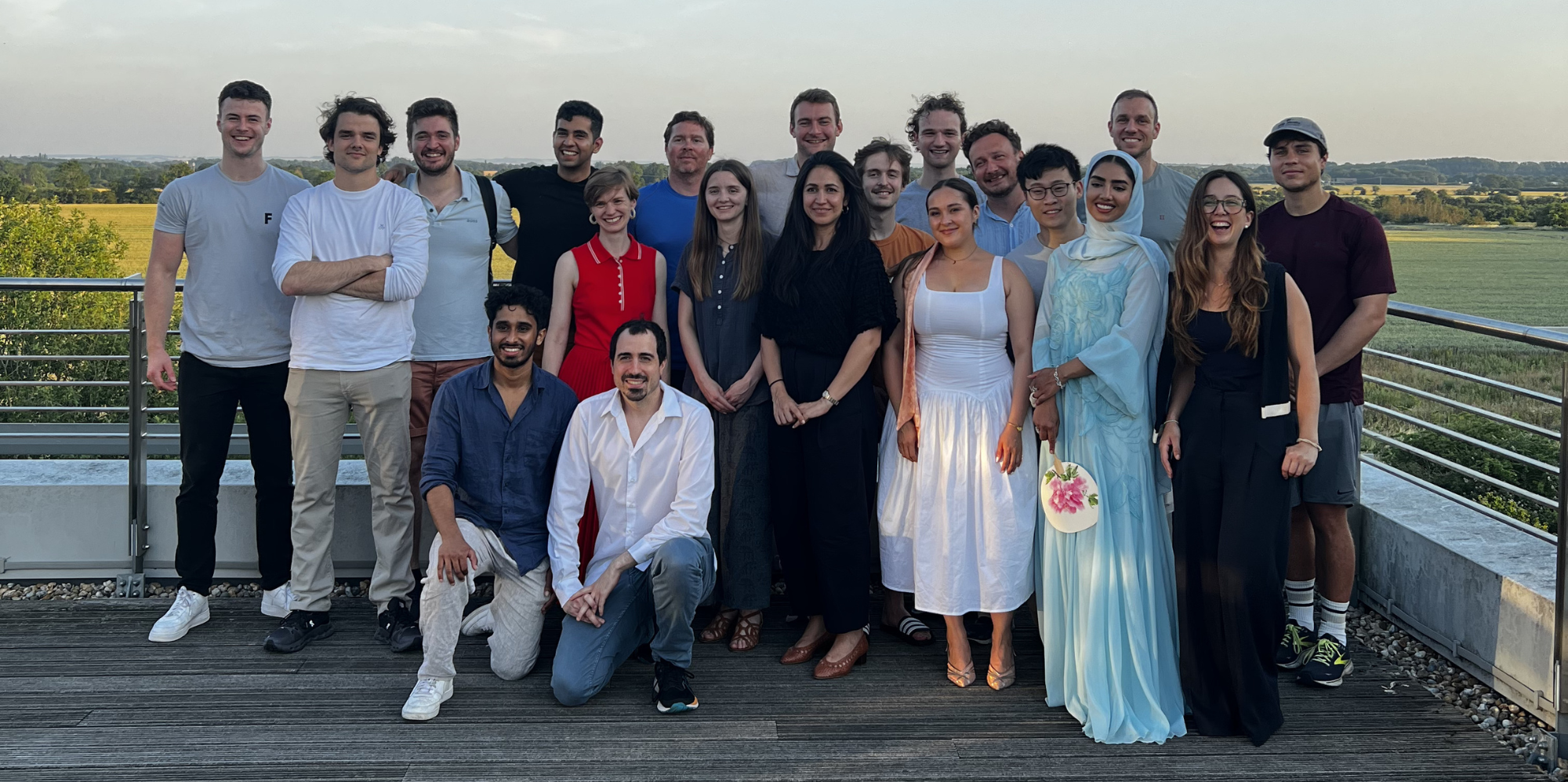
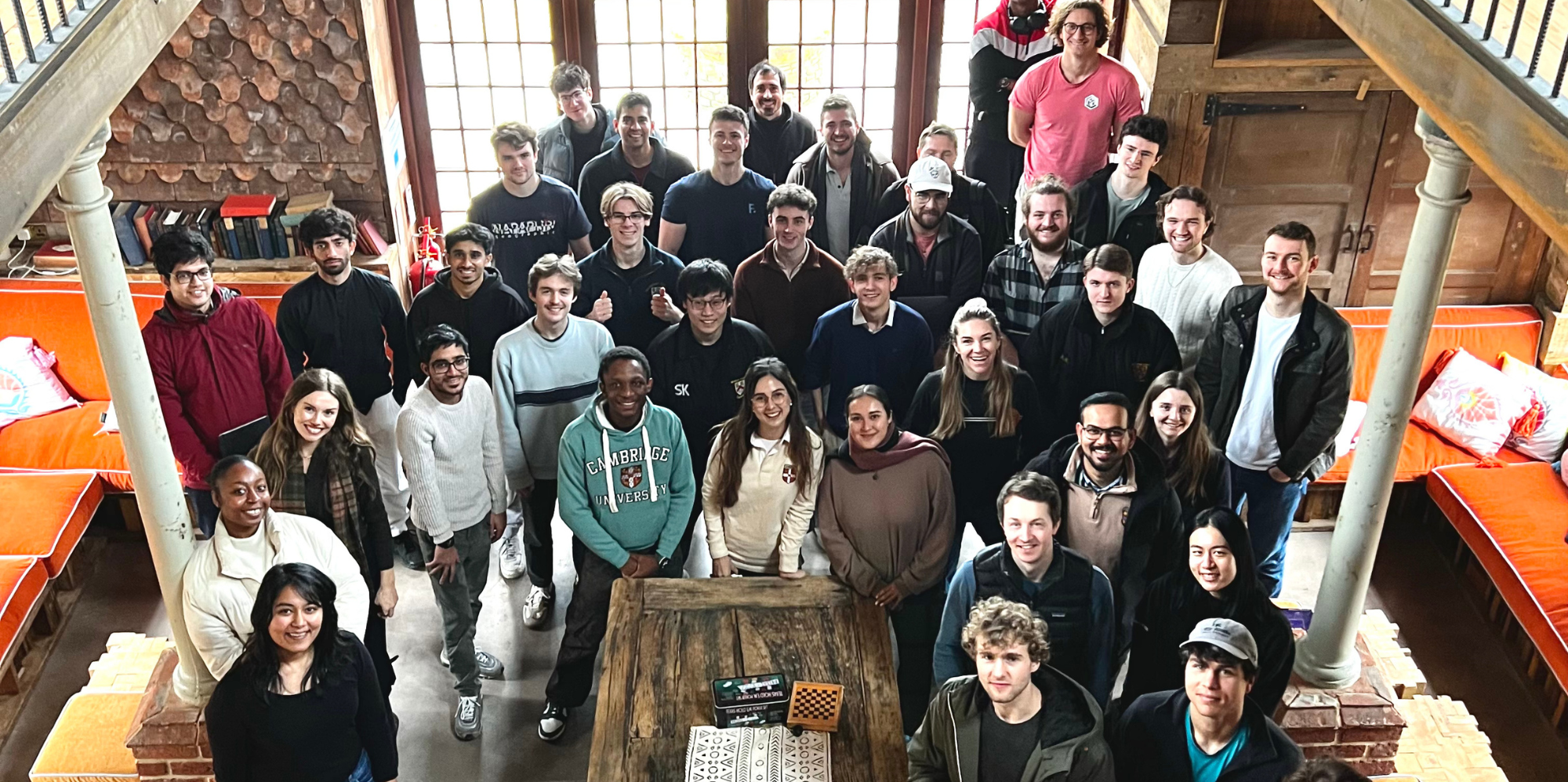
After running two cohorts and watching more than 60 people go through the programme, Connor has seen talented, driven people move quickly when surrounded by others with similar ambitions.
“One of the things I’ve learned over the past two programmes is that the greatest potential founders will find a way to make things happen,” he says. “Yes, they will figure things out, but you can still help make that process faster and help them avoid mistakes.”
He’s also seen people surprise themselves.
“I’ve seen people come into the programme unsure of their own ability, having never really failed at anything before. We all push hard and fail often within the programme, which is totally expected at this early stage. For me, it’s rewarding to see people realise and get excited by what they’re really capable of.”
The outcomes can be just as varied, too. “Our objective is to help the people we partner with go on and find great co-founders. We build a selective cohort around them, put them at the centre of high-profile events and encourage them to connect with people outside of SYNC too. If they find great co-founders outside of the cohort, great! We’ve even invited people to join SYNC mid-programme in situations like this.”
That learning has shaped SYNC 3.0, which is now open for applications. The programme has been refined into a more focused three-month sprint structure, designed to help participants meet the right people, test how they work together and understand what they need next.
Feedback has been central to that process. Connor describes SYNC as a programme built around radical candour or “telling the truth kindly”. He collects feedback throughout and uses it to iterate the experience week by week.
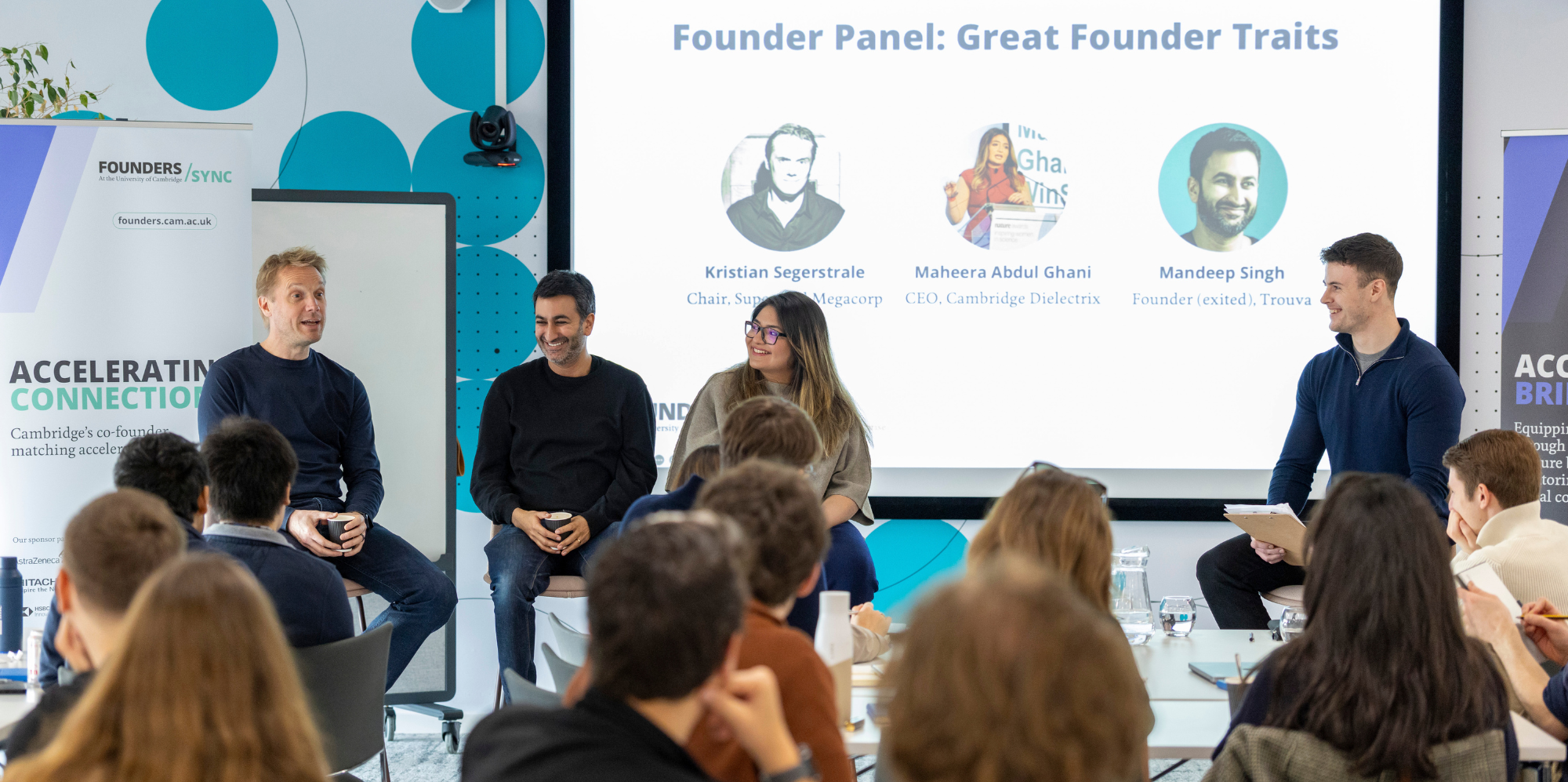
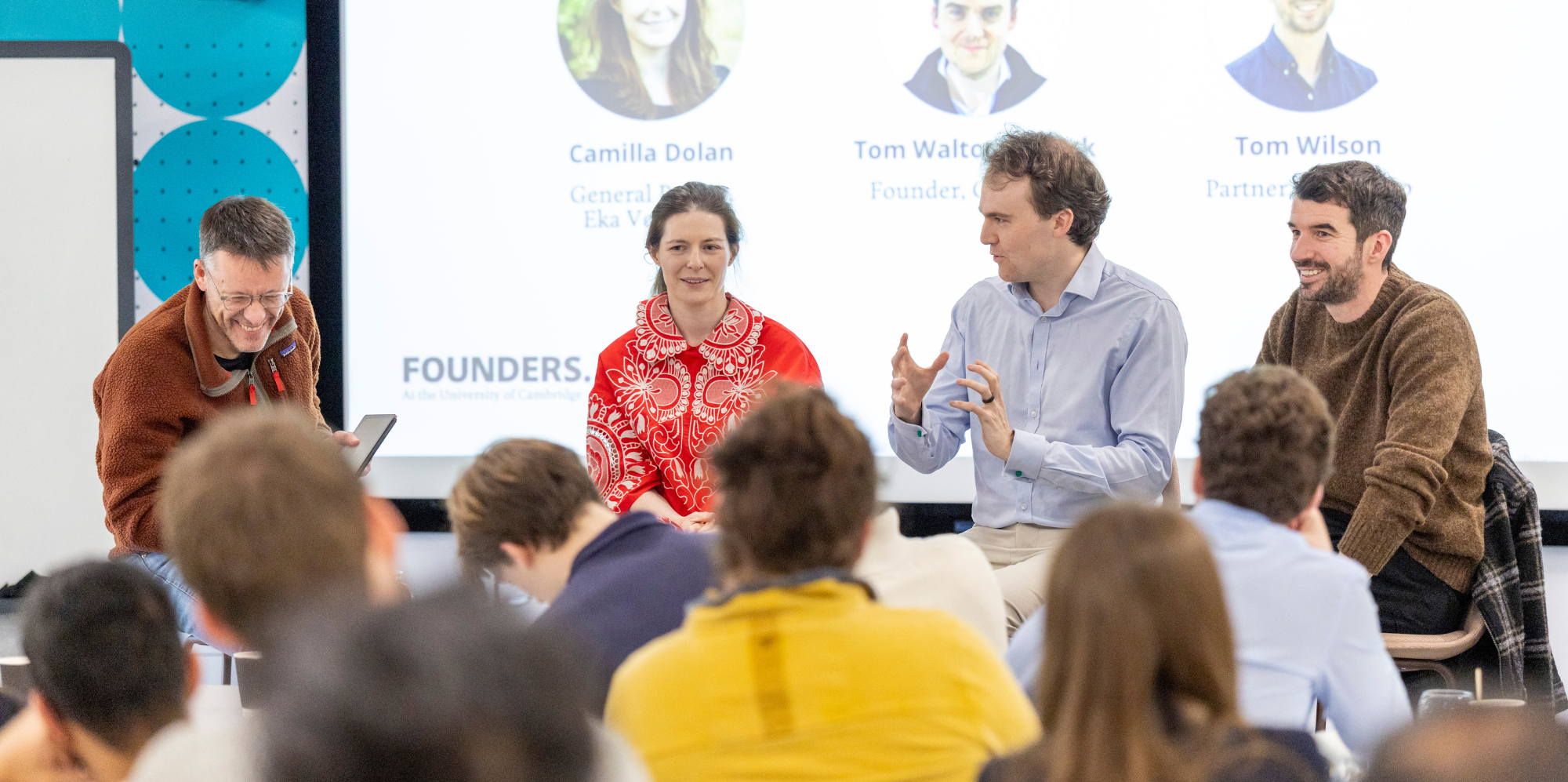
Alongside the cohort experience, founders gain access to experienced entrepreneurs, operators, investors and mentors from the Founders at the University of Cambridge Community who challenge assumptions, share lessons and help accelerate learning.
That sense of community often extends well beyond the programme itself, with founders continuing support each other’s progress long after SYNC has finished.
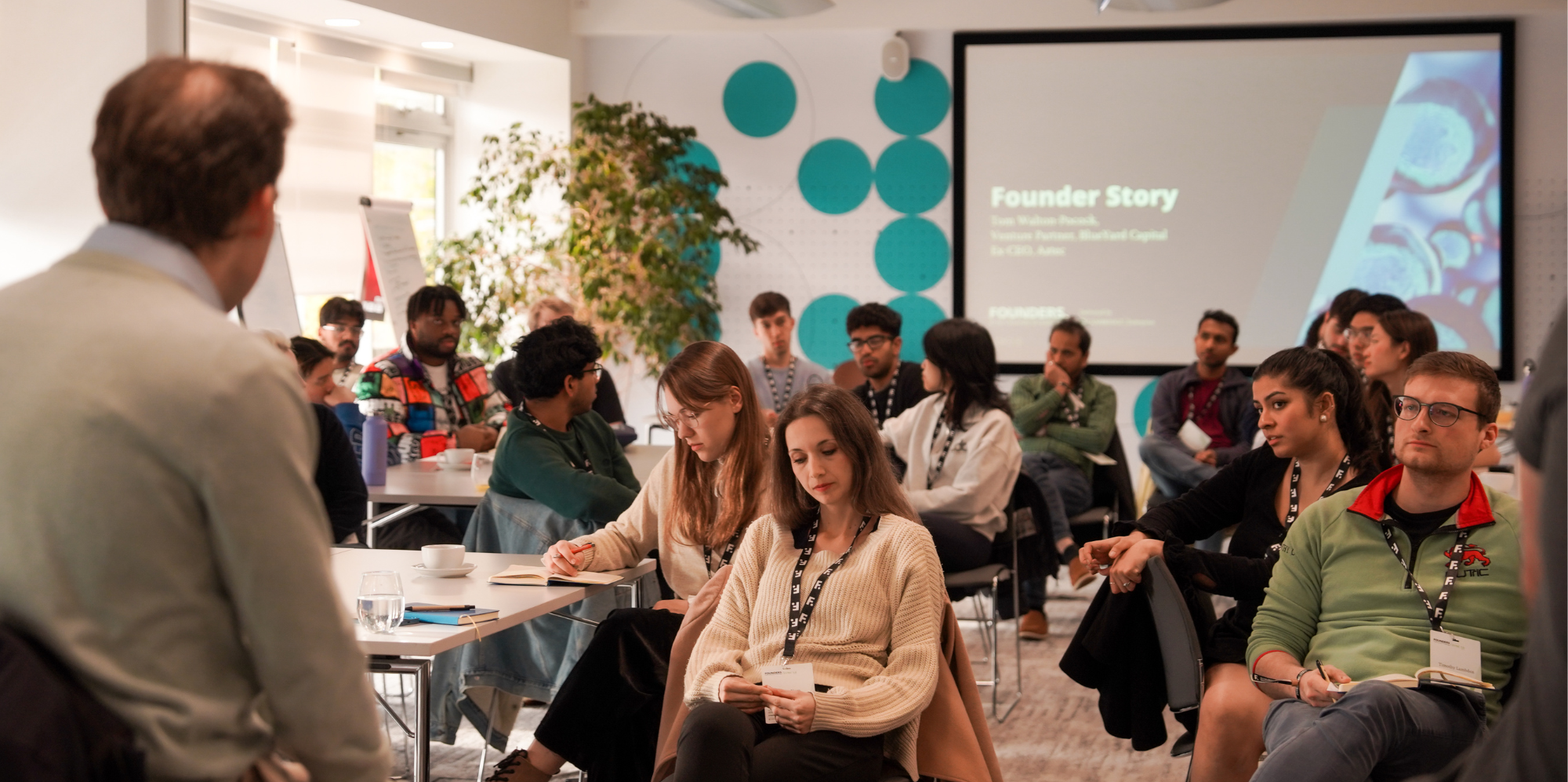
For anyone trying to find the right person to build with, SYNC is designed to make that search faster and likely expose you to people you just wouldn’t meet otherwise.
“The value of meeting other people at a similar stage to you is hard to appreciate until you have it,” Connor says.
Applications for SYNC 3.0 are now open. If you are ready to meet potential co-founders, test ideas and explore the path to full-time founding, apply by 18 September 2026.
 Close
Close